
Tamarindo is one of those places people underestimate-right up until they're watching their second sunset, drink in hand, wondering why they didn't stay longer. On paper, it's a surf town on Costa Rica's Pacific coast. In reality, it's a mix of beach life, good food, easy adventure, and just enough unpredictability to keep things interesting.
It's not the wild, jungle-heavy experience of La Fortuna. It's not the polished luxury of Papagayo. But for a lot of travelers-especially first-timers-it lands right in the sweet spot.
This Tamarindo travel guide covers everything you actually need to know before visiting Tamarindo, Costa Rica, from where to stay and what to do, to the small details that can make a big difference to your experience.
Jump to:
- Where is Tamarindo, Costa Rica?
- What is Tamarindo Known For?
- Is Tamarindo Worth Visiting?
- Is Tamarindo Expensive?
- USD vs Costa Rican Colón: What Should You Use?
- Can You Drink the Water in Tamarindo?
- Tipping in Tamarindo
- How Many Days in Tamarindo?
- Best Time to Visit Tamarindo
- Where to Stay in Tamarindo (Hotels & Areas)
- Getting Around Tamarindo (Uber, Golf Carts & More)
- Best Things to Do in Tamarindo
- Beaches around Tamarindo
- Where to Eat in Tamarindo
- Is Tamarindo Safe?
- Common Mistakes to Avoid
- Tamarindo Travel Guide FAQ
- Final Thoughts
Where is Tamarindo, Costa Rica?
Tamarindo is located on Costa Rica's northwestern Pacific coast, in the Guanacaste province. It's about a one-hour drive from Liberia International Airport (LIR), which makes it one of the most accessible beach destinations in the country.
That short transfer time is a big part of its appeal. You land, grab a ride, and you're at the beach before your body has even adjusted to the heat.
Getting from Liberia Airport to Tamarindo
The drive from Liberia (LIR) to Tamarindo is roughly an hour to an hour and fifteen minutes depending on traffic. You have a few options for making that transfer:
A shared shuttle is the most popular choice for independent travelers. Shuttles run regularly between the airport and Tamarindo and cost significantly less than a private transfer - typically in the $20-$35 USD range per person. The tradeoff is that they may stop at other hotels along the way, adding time to your journey. Book in advance, especially during high season.
A private transfer is more expensive (usually $80-$120 USD for the vehicle) but gets you directly to your accommodation without stops. Worth it if you're traveling with a group, arriving late, or just want the easiest possible start to your trip.
A rental car from the airport gives you the most flexibility, especially if you're planning day trips. Just note that you'll need to navigate the drive yourself - the route is straightforward but signage can be inconsistent. More on renting a car below.
Public buses exist but involve multiple transfers and are not practical with luggage for most travelers.
What is Tamarindo Known For?
Tamarindo is best known for its surf-friendly beaches, reliable sunsets, and easygoing atmosphere.
It's a place where:
- Beginners learn to surf
- Travelers use it as a base for day trips
- Evenings revolve around the beach, the food, and the nightlife
It's also known for being one of the more developed beach towns in Costa Rica-which comes with both convenience and crowds. The Tamarindo high street (called Central Avenue) is not very large, and quite walkable for the most part. It's a large T-shaped (or Y-shaped, depending who you ask!) road that contains most of the major bars, restaurants, and shops.
Tamarindo's central location in Guanacaste also makes it easy to explore nearby national parks, smaller beach towns, and inland experiences without long travel times.
Is Tamarindo Worth Visiting?
Short answer, for the purposes of this travel guide: yes.
Long answer: Still yes...but only if you come in with the right expectations.
Tamarindo is ideal if you want a mix of:
- Beach time
- Good restaurants
- Easy-to-book activities
- Minimal logistical stress
It's not the place for untouched wilderness or world-class snorkeling. But if you want a relaxed, well-rounded trip without overcomplicating things, Tamarindo delivers.
Is Tamarindo Expensive?
This is where a lot of people are caught off guard.
Tamarindo isn't cheap. Many prices are listed in US dollars, and a lot of businesses clearly cater to American tourists. If you're visiting from Canada or anywhere with a weaker currency, things can feel expensive quickly-especially tours, dining, and rentals.
That doesn't mean it's not worth it. It just means you'll want to budget with open eyes.
USD vs Costa Rican Colón: What Should You Use?
Both US dollars (USD) and Costa Rican colones (CRC) are widely accepted in Tamarindo.
In practice:
- Paying in colones usually gives you slightly better value
- Paying in USD is simpler and more convenient
- Credit cards are accepted almost everywhere (most sellers have a tap to pay option)
If you pay in USD, your change will often come back in colones. The easiest approach is to use a credit card where possible and keep a small amount of local currency for smaller purchases.
Can You Drink the Water in Tamarindo?
Yes-generally, you can.
Tamarindo's tap water is considered safe to drink, especially in hotels and well-established areas. Costa Rica has strong water standards, and most travelers won't have any issues.
That said, the taste can vary slightly, and some people prefer not to rely on it entirely-especially at the start of a trip.
Bottled water is available everywhere, but it adds up in cost and plastic waste. A better option is filtered water, which many accommodations provide. If you travel often, a compact filtered water bottle is one of those small upgrades that eventually becomes a personal favorite.
Tipping in Tamarindo
Tipping in Tamarindo is more straightforward than it first appears.
At restaurants, your bill will usually include a 10% service charge along with tax. That service charge is effectively the tip, so you're not expected to add more. If the service stands out, leaving an extra 5-10% is appreciated, but not required.
For tours and activities, tipping is more flexible. A few dollars per person for shorter experiences and a bit more for full-day tours is a good rule of thumb. Drivers and hotel staff fall into a similar category-small tips are appreciated but never expected.
For bigger tours/activities, you may find yourself being 'encouraged' to tip. This varies from tour to tour. The tour operators will also often have multiple ways you can tip in case you don't have cash on you (we've seen tips using credit cards, PayPal, and crypto).
If you're used to North American tipping culture, the main adjustment here is simply dialing it back.
How Many Days in Tamarindo?
For most travelers, four to five days is the sweet spot.
That gives you enough time to settle in, enjoy the beach without rushing, try a few activities, and fit in a day trip without turning your trip into a packed itinerary.
If you like having a structure to follow (without overplanning every hour), mapping out a simple day-by-day plan can make a big difference in how relaxed the trip actually feels.
Best Time to Visit Tamarindo
Costa Rica runs on two seasons: dry and green.
- The dry season, from December to April, brings consistent sunshine and classic beach weather, but also higher prices and more visitors.
- The green season (aka rainy season), from May to November, is quieter and more lush. Rain typically comes in the afternoon, leaving mornings open for activities.
If you're looking for a balance between weather and crowds, late November or early May tends to offer the best of both.
September and October are typically the rainiest months, with heavier and more consistent rainfall. While this means fewer crowds and lower prices, it can also limit certain activities.
Where to Stay in Tamarindo (Hotels & Areas)
Where you stay in Tamarindo shapes your entire experience.
Staying in Tamarindo town puts you within walking distance of restaurants, shops, and the beach. It's the easiest option, especially for first-time visitors.
Just south of town, Langosta offers a quieter, more relaxed atmosphere. It's still close enough to Tamarindo, but feels noticeably less busy. Some hotels here include access to beach clubs, which can make your beach days far more comfortable.
There are also hillside villas and boutique hotels that offer better views and more privacy, though you'll likely need a car to get around.
Getting Around Tamarindo (Uber, Golf Carts & More)
Getting around Tamarindo is fairly simple, and you have more options than you might expect.
If you're staying in town, walking will cover most of your needs. For longer distances, Uber is available and generally reliable, often working out cheaper than taxis.
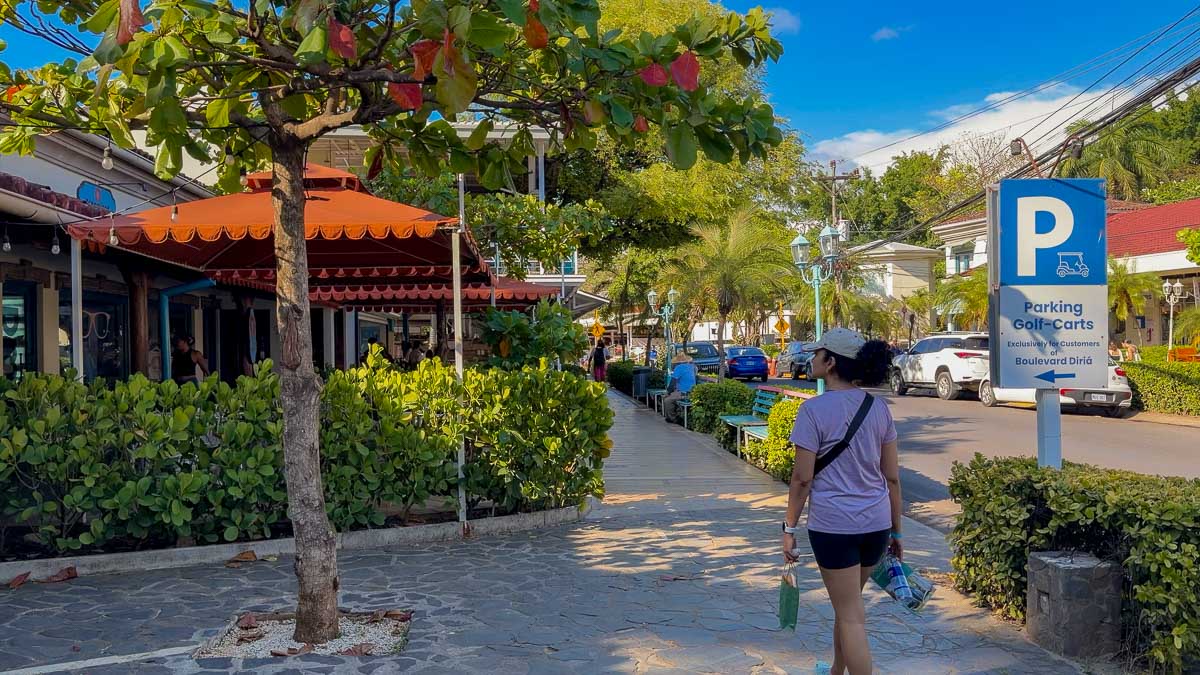
Golf carts are a popular choice for short trips and exploring nearby areas like Langosta. They're practical-but also part of the fun.
Rental cars are useful if you're planning day trips, while e-scooters, e-bikes, and small motorcycles are widely available for getting around locally.
If you're planning day trips - especially to Rincón de la Vieja or anywhere off the main highway - a rental car is worth it. During the dry season, a standard vehicle is usually fine for most routes. In the green season, an AWD or 4x4 is strongly recommended, as some roads to beaches and parks can become difficult after heavy rain. Book in advance through a reputable agency, and pay close attention to insurance: It's important to note that Costa Rica requires a minimum liability policy, and some credit cards that offer international rental coverage exclude Costa Rica specifically.
Best Things to Do in Tamarindo
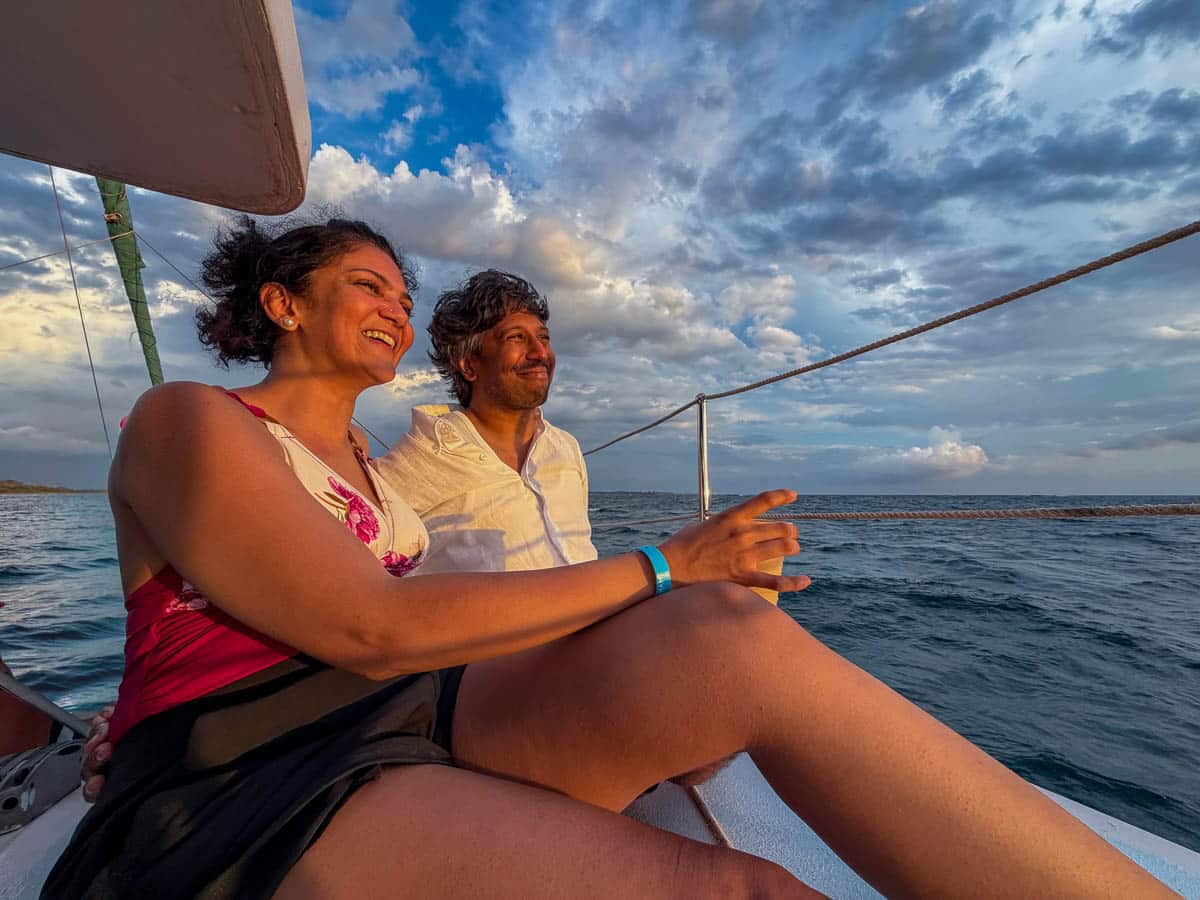
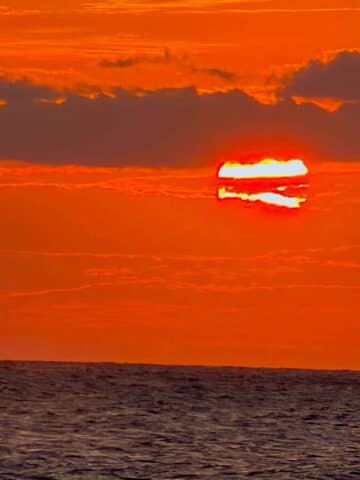
Tamarindo isn't about one major attraction-it's about layering a few good experiences into your days. Watching the sunset quickly becomes a daily ritual rather than a one-time event. A catamaran tour offers a relaxed way to enjoy the coastline, even if the snorkeling itself isn't the highlight.
Sport Fishing
Tamarindo has quietly built a reputation as one of the better sport fishing bases on Costa Rica's Pacific coast. The waters off Guanacaste are home to marlin, sailfish, tuna, and dorado, and local captains know these waters well. Half-day and full-day charters are available directly from Tamarindo, with boats ranging from small local operations to more fully equipped offshore vessels. If fishing is even a passing interest, it's worth at least looking into - a shared charter can bring the cost down considerably and the Pacific doesn't disappoint.
Surfing
Surfing is one of the easiest activities to try here, thanks to beginner-friendly waves and plenty of instructors. You can often find a surf instructor on the same day at the beach (just be aware of the tide timings, which are written at most stalls and many surf shops in town). And when you want a quieter beach, Playa Langosta offers a slower, less crowded alternative.
Stand-up Paddleboarding & Kayaking
Not ready to tackle waves on a surfboard? Stand-up paddleboarding is a natural next step - calmer, easier to pick up, and a genuinely good workout if you want it to be. Boards are widely available for rent along the beach, and the calmer mornings are the best time to go out before the wind picks up. Kayaking is another popular option, particularly for exploring the estuary - some tours combine both with wildlife spotting, which makes for a solid half-day.
Day trips
For a change of scenery, a day trip to Rincón de la Vieja brings waterfalls, volcanic landscapes, and a completely different pace. Some travelers even consider a longer day trip toward La Fortuna, though that's more ambitious.
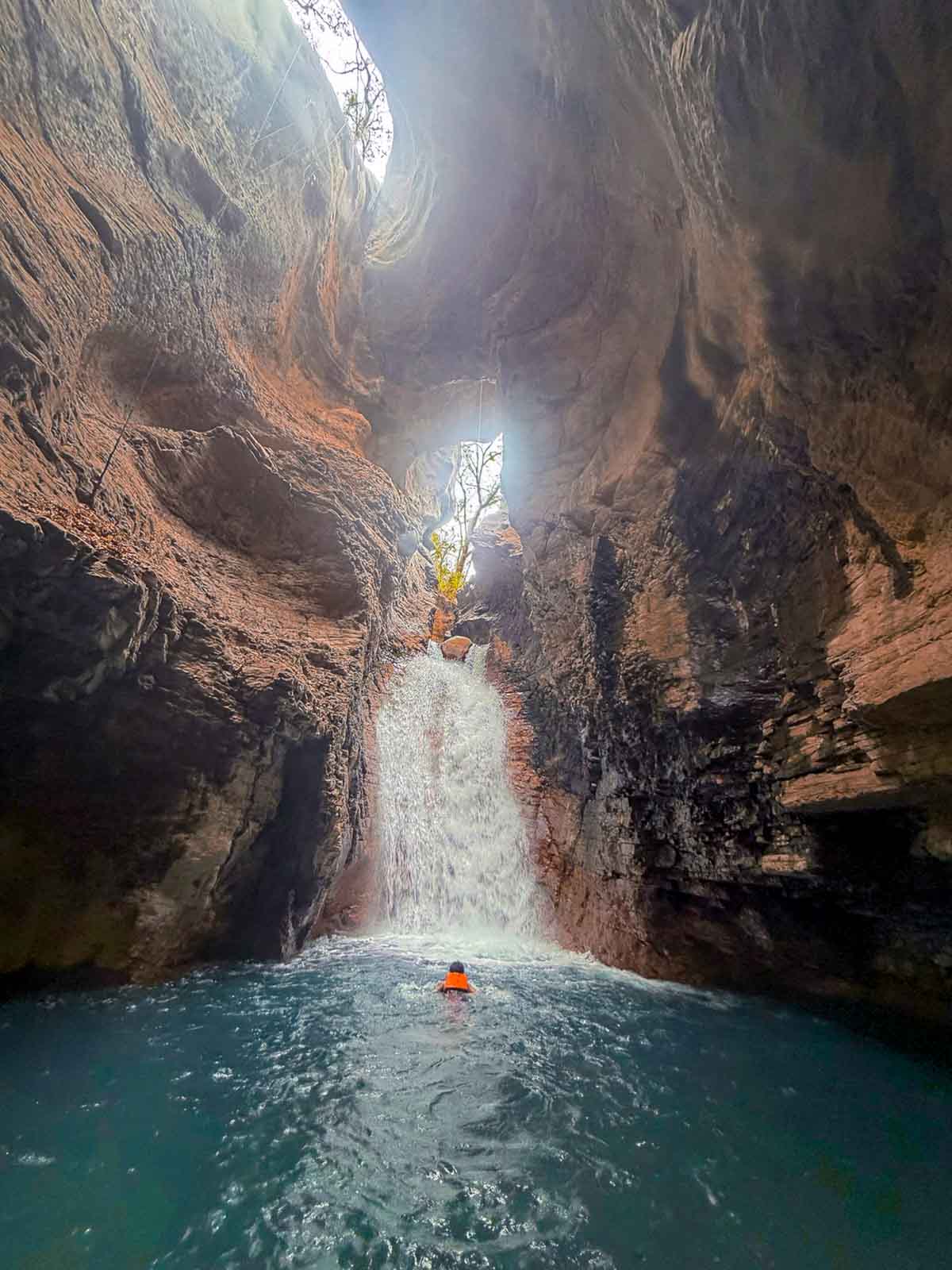
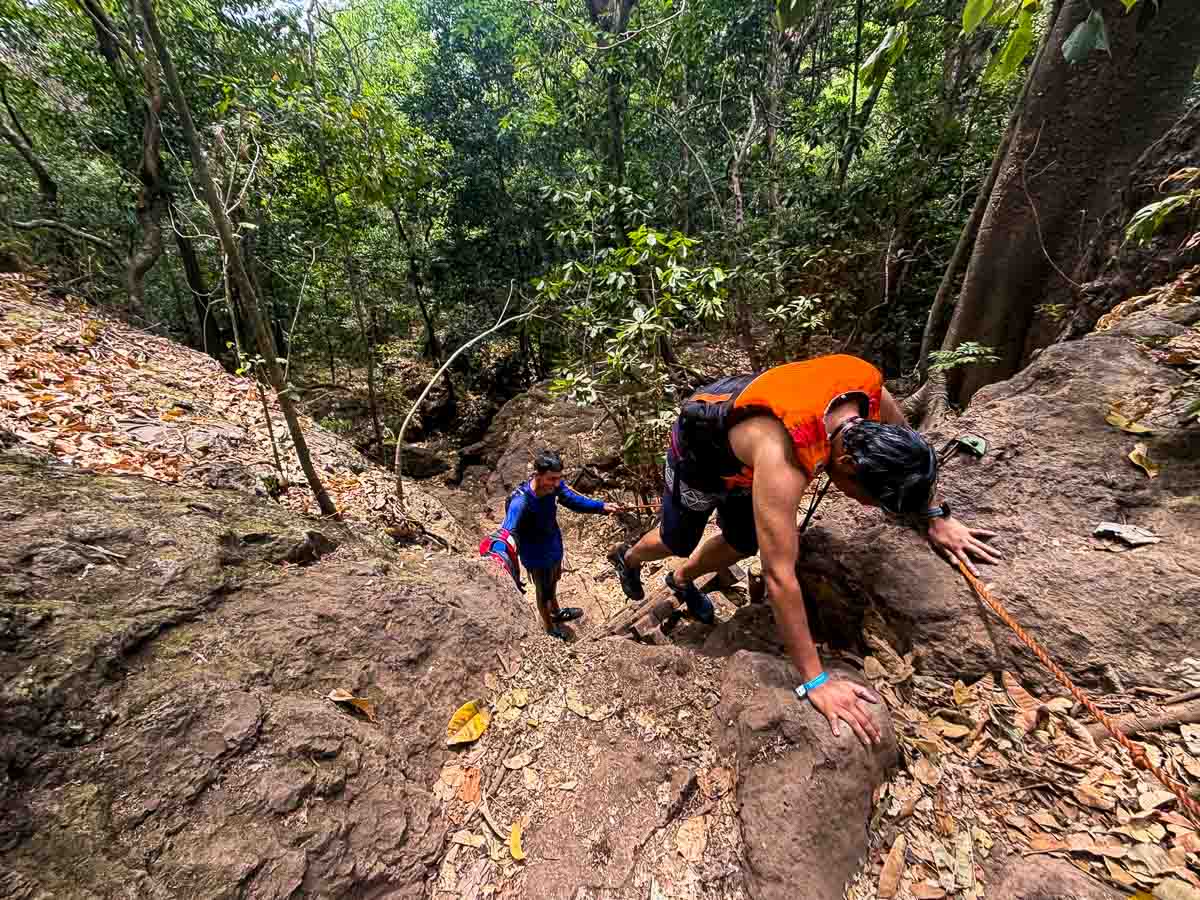
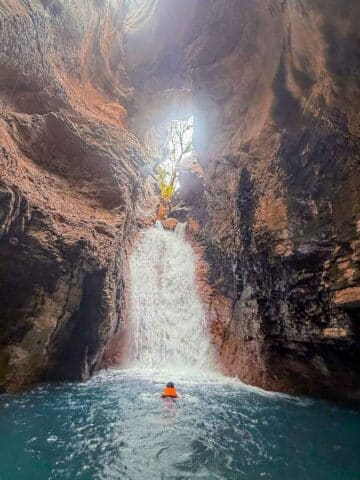
For something completely different without a long drive, Llanos de Cortez is one of the most accessible and rewarding waterfall day trips in Guanacaste - about two hours from Tamarindo and well worth the effort. The waterfall itself is wide and dramatic rather than tall and narrow, with a natural swimming pool at the base and a small sandy area to relax on. It's easy to reach (a short walk from the parking area), suitable for all ages, and genuinely beautiful. If you have a car and a free day, this is one of the better uses of both.
Pura vida & chill
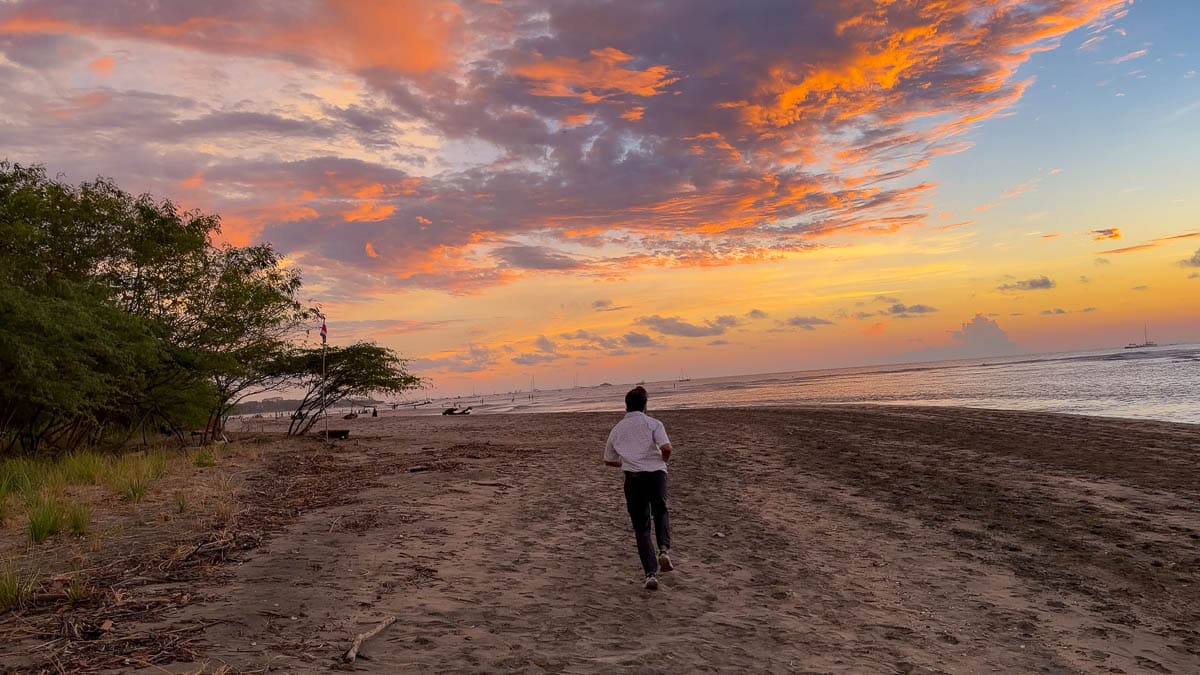
And then there's the simplest activity-doing nothing for a while-which often ends up being the most memorable part. Find a nice spot, and enjoy the sunset.
Estuary Tours
Boat tours through the Tamarindo estuary are another popular activity, especially for spotting wildlife like crocodiles, howler monkeys, and a wide range of bird species. It's a completely different side of Tamarindo-quieter, slower, and surprisingly wild for a place so close to town.
Sea turtles
Just across the estuary, Playa Grande is part of Parque Nacional Marino Las Baulas (Marino Las Baulas National Park) - one of the most important leatherback turtles nesting sites in the world. Nesting season runs from October through March, peaking around November and February, and guided night tours during this window are genuinely unforgettable. Groups are kept small and the experience is carefully managed to protect the turtles, which makes it feel all the more special when you're actually there. If your trip falls outside nesting season, Playa Grande is still worth the short boat crossing for its rugged, uncrowded beach alone.
Worth noting: leatherback numbers at Playa Grande have declined in recent years, so sightings on guided tours are possible but far from guaranteed. If turtle watching is a priority rather than a bonus, you may have better luck at Playa Ostional near Nosara, about two hours away, which hosts occasional mass nesting events.
Catalina Islands
While Tamarindo's main beach isn't ideal for snorkeling, the Catalina Islands are worth knowing about. A short boat ride away, they're a popular day trip destination for snorkelers and divers alike - catamaran tours run regularly from Tamarindo and typically include snorkeling stops, with rays and other marine life among the common sightings. (Visibility can be limited and the sandy bottom doesn't make for the most dramatic underwater scenery - if you've snorkeled in the Caribbean or Southeast Asia, dial back your expectations accordingly.)
Beaches around Tamarindo
While Playa Tamarindo (or Tamarindo Beach) is the main beach, it's not the only one worth visiting. Playa Langosta (or Langosta Beach), just south of town, offers a quieter experience with fewer crowds and a more local feel. It's a great spot if Tamarindo Beach feels a bit too busy. Most of the more experienced surfers we met mentioned that they prefer the waves at Playa Langosta.
To the north, Playa Grande sits across the estuary and feels more rugged and untouched. It's also part of a protected area, which helps preserve its natural beauty.
About 30 minutes north of Tamarindo, Playa Conchal is worth the short drive. What sets it apart is the sand - rather than standard beach sand, Conchal is made up of millions of tiny crushed shells that give it a distinctive texture and a slightly sparkling appearance in the sun. The water here is cleaner and calmer than Tamarindo's main beach, making it a better option for swimming. There are vendors on the beach renting chairs, umbrellas, and snorkel gear, and the rocky northern end offers some snorkeling when conditions cooperate. It's a popular spot, so go early (ideally before 9am) if you want to beat the crowds.
Where to Eat in Tamarindo
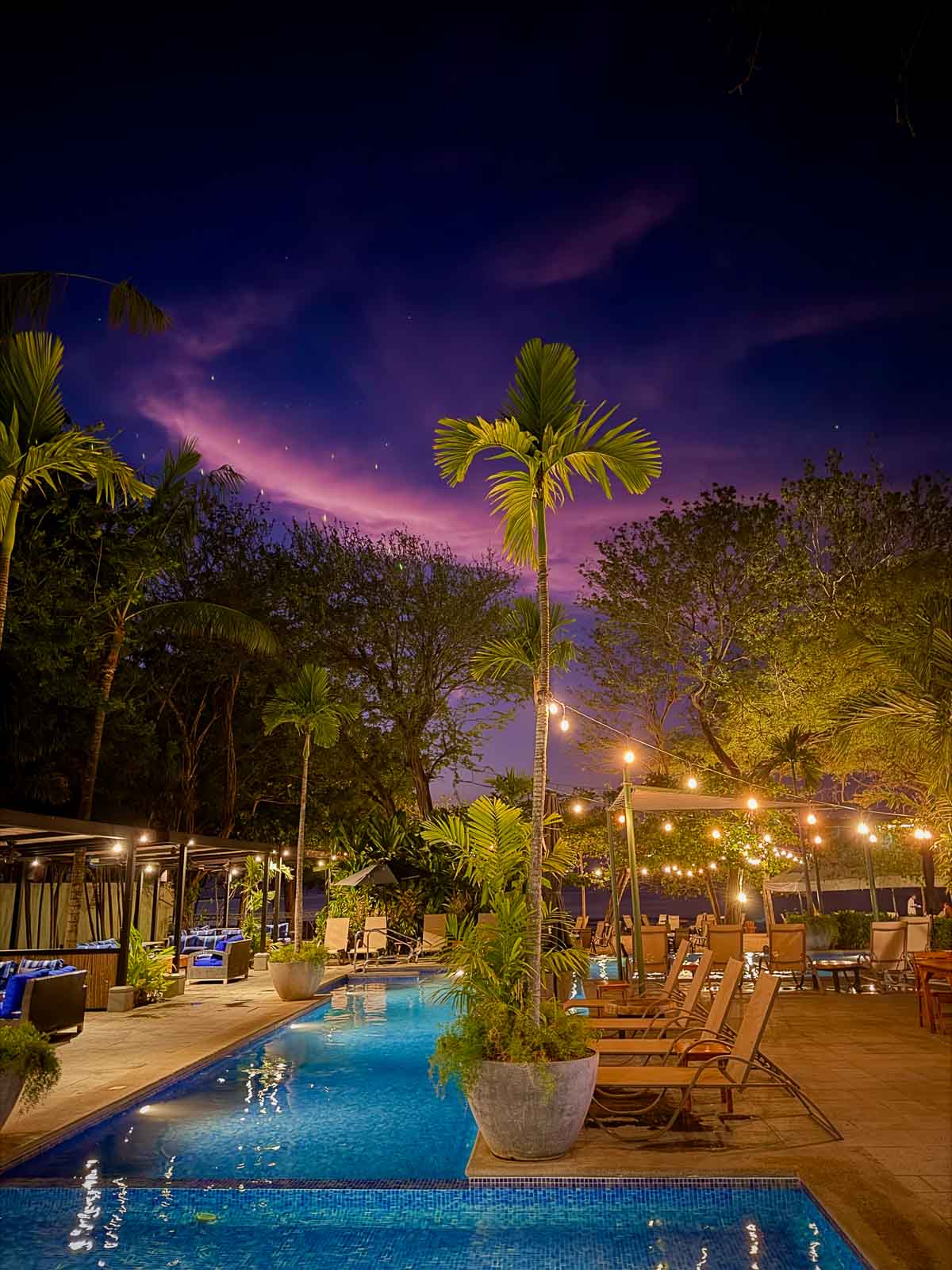
Tamarindo's food scene is better than it needs to be, but for the most part, it's not the right destination for hardcore foodies looking for fine-dining. You'll find a mix of beachfront restaurants, casual cafés, and bakeries that naturally become part of your daily routine. Beachfront dinners are especially popular around sunset, when the atmosphere carries most of the experience.
During the day, cafés are where you'll retreat from the heat, iced coffee in hand, telling yourself you'll be productive before deciding otherwise.
On Saturday mornings, Tamarindo hosts a local farmers market - known as La Feria - that's worth scheduling into your morning if your trip happens to overlap. You'll find fresh local produce, homemade food, artisan soaps, jewellery, and art, with a distinctly more local atmosphere than the rest of the town's tourist-facing businesses. It opens early and winds down by midday, so go before the heat sets in.
On Thursday evenings, Tamarindo hosts a Night Market, known as the Tamarindo Moonlight Market. You'll find some local vendors with crafts, jewellery, and clothing, as well as a few options for food. It starts around 5pm and wraps up by around 9:30pm.
One thing worth knowing: while Uber works well in Tamarindo, food delivery doesn't. UberEats technically operates here, but options are extremely limited-sometimes nonexistent. It's very much a go-out-and-find-it kind of place.
Also, right after sunset, especially near the beach, sandflies can make themselves known. It's worth having bug spray nearby or choosing indoor seating if you'd prefer a more relaxed dinner.
Beyond the restaurants themselves, Tamarindo has a lively atmosphere in the evenings. You'll often find live music, small vendors, and a mix of locals and travelers moving between spots. Surf shops stay open relatively late, and the town feels active without being overwhelming.
Eating on a budget
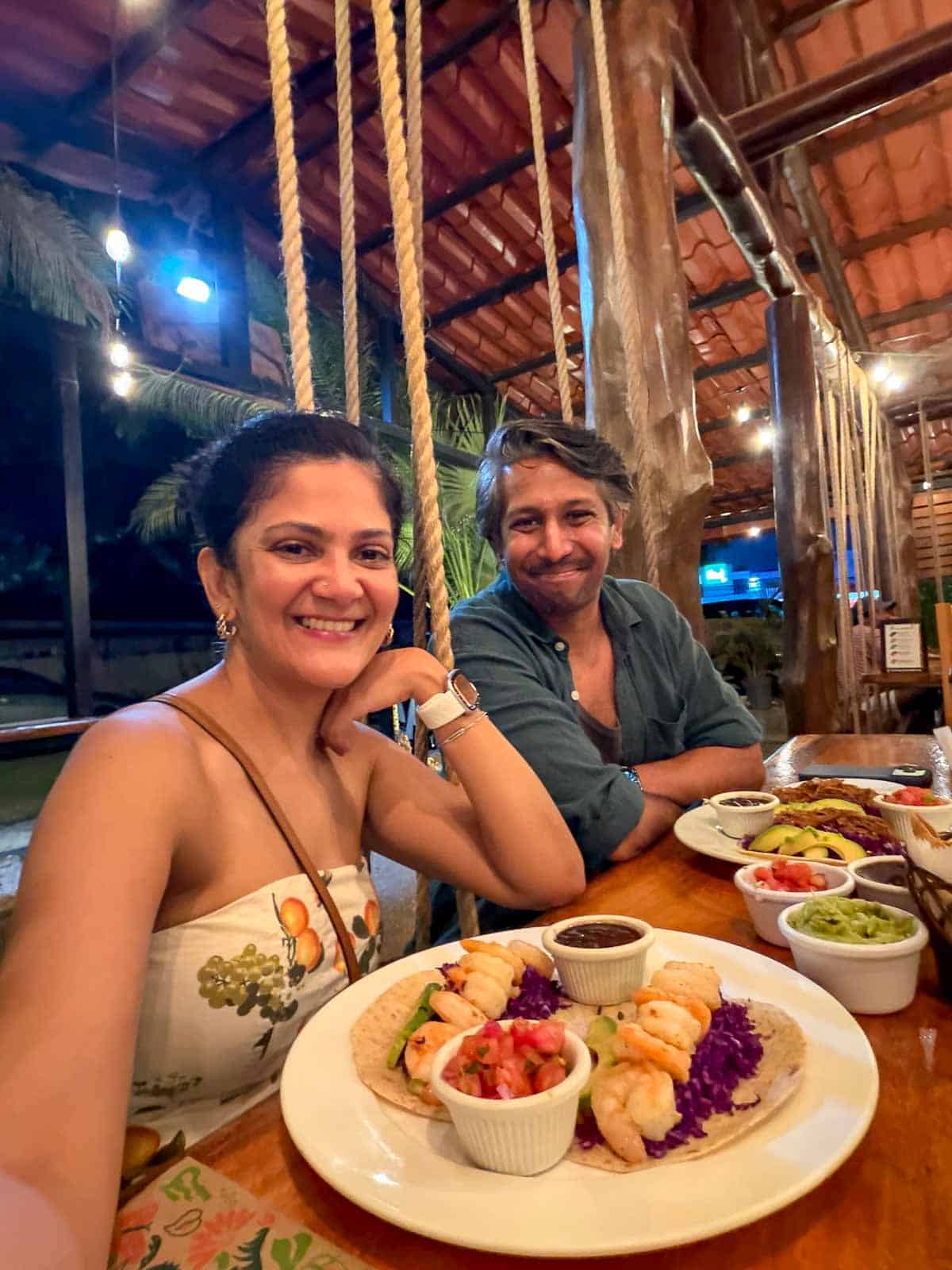
Given how quickly food costs can add up in Tamarindo, it's worth knowing about El Mercadito - an outdoor food court in town that brings together several smaller vendors under one roof. It's the most budget-friendly dining option in the area, with a range of options from local Costa Rican staples to casual international food, all at prices noticeably lower than the beachfront restaurants.
If you're watching your spend without wanting to sacrifice variety, this is the place. Also worth knowing: traditional Costa Rican sodas (small local diners serving set meals called casados) exist in and around town and are consistently the cheapest sit-down option you'll find. The honest truth however is that none of the Costa Rican sodas within Tamarindo are fully authentic, and most locals will tell you that the quality of "Costa Rican food" in Tamarindo is lower.
Nightlife in Tamarindo
Tamarindo has a livelier after-dark scene than most Costa Rican beach towns, and it's worth knowing about even if you're not a big night-out person - because it shapes the overall atmosphere of the place.
Bars and beach clubs stay busy most nights of the week, with a mix of live music, DJs, and the kind of open-air venues where the line between inside and outside doesn't really exist. The crowd skews young and international, and things tend to pick up late - don't expect much action before 10pm.
A few things to be aware of: the scene can get rowdy on weekends, and like any tourist-heavy beach town, you may be offered drugs after dark (and sometimes even during the day). Use your judgment and stick to well-lit, populated areas if you're heading out late. It's not unsafe by any means, but it always pays to be aware.
If you're after something lower-key, the same beachfront area that's busy at sunset shifts into a more relaxed evening vibe earlier in the night - live music at restaurants, cold drinks, and enough atmosphere to feel like you're somewhere worth being, without committing to a full night out.
A bit of an oddity is that many restaurants and shops will close relatively early for a town that has such an active nightlife.
Is Tamarindo Safe?
Tamarindo is generally safe, especially compared to many tourist destinations.
That said, it's still important to take basic precautions. Don't leave valuables unattended on the beach, stay aware of your surroundings at night, and lock your car if you're renting one. Most issues come down to small lapses in awareness rather than anything more serious.
Common Mistakes to Avoid
A few patterns show up again and again:
- People arrive expecting great snorkeling and end up disappointed. The water here is often murky and wave-heavy, so it's not the right place for that.
- Others try to pack too much into their Tamarindo schedule, turning what should be a relaxed trip into something that feels rushed. Arenal and La Fortuna are a long way away (around 4 hours drive each way), so planning to regularly do things there can lead to multiple tiring car rides.
- The midday heat is another factor that's easy to underestimate. Planning your day around it-active mornings, slower afternoons, and relaxed evenings-makes a noticeable difference.
- Tamarindo has an active nightlife scene. However, the rest of the town closes earlier than you might think for a tourist/party-focussed destination. Expect most pharmacies and stores to close by 7 or 8pm. Most restaurants will close by 10pm. Places close earlier during the rainy seasons (or the low season), and often stay open a tad later during peak seasons.
- And then there's cost. Tamarindo isn't a budget destination, and expecting it to be can lead to some frustration if you're not prepared.
Tamarindo Travel Guide FAQ
Yes, Tamarindo is generally safe. Like any tourist destination, basic precautions-especially around valuables and at night-go a long way.
Yes, compared to other parts of Costa Rica. Prices are often geared toward tourists, particularly those from the US.
In most cases, yes. The water is generally safe, though many travelers prefer filtered water.
Yes, Uber is available and often more affordable than taxis. UberEats is less functional in Tamarindo.
Four to five days is ideal for most travelers.
Not really. The water is often murky and wave-heavy, so snorkeling is limited compared to other destinations. Catalina Islands are a nearby catamaran-accessible location with better snorkeling opportunities, but anyone that has snorkelled in the Caribbean or the Red Sea may want to temper expectations.
Final Thoughts
Hopefully this Tamarindo travel guide has given you a clearer picture of what to expect. Tamarindo isn't perfect. It can be very warm, occasionally overpriced, and just busy enough to remind you that other people have also figured out it's a good place to be. But there's a reason so many travelers end up staying longer than they planned - the days have a natural rhythm here that's hard to resist.
Morning surf, slow afternoons, sunset on the beach, repeat. Come with a loose plan (if you'd rather start with a ready-made structure, this 5-day Tamarindo itinerary gives you a solid framework to build from), leave room for nothing in particular, and let the place do its thing. Pura vida.
It's a big world, but we're never too far away! SIGN UP for the Travel & Chai newsletter, and follow Travel & Chai on Instagram and Pinterest to keep in touch.
Leave a Reply