
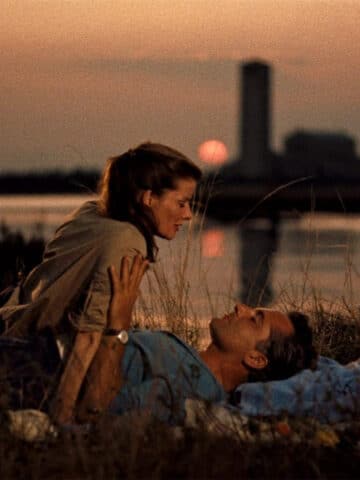
Tuscany is one of those places that looks effortless from the outside: rolling hills, medieval towns, vineyards in soft golden light. It's the kind of destination that feels calm, romantic, and easy on a map.
But Tuscany is more than the fairy tale we've been presented in many of a movie. It's a beautiful place, no doubt...but it's also a real place with real peculiarities:
- Distances take longer than expected.
- Driving requires more attention.
- Meals stretch.
- And the things that make Tuscany special often happen in the spaces between your plans.
This is everything we wished we knew before visiting Tuscany. This post focuses on the practical, real-world lessons we only learned after arriving - all the little details that shape your experience, but rarely make it into glossy travel guides.
If you're planning a trip to Tuscany and want to avoid common missteps, without over-planning or rushing the experience, this guide will help you travel Tuscany the way it's meant to be experienced.

Jump to:
Quick Takeaways
- Tuscany is larger and slower than it appears on a map
- Driving takes longer due to winding roads and ZTL zones
- Jet lag affects pacing more than expected
- Bug spray is essential in the countryside
- Not all Florentine steak is Chianina beef
- Leave unplanned days - Tuscany rewards flexibility
Tuscany is bigger than you expect
On a map, Tuscany feels manageable. Florence to Siena looks close. Hill towns appear clustered. Distances seem forgiving. In practice, travel takes longer than you'd expect, and that can cause some problems when it comes to planning your days.
Several factors slow things down:
- Roads are often narrow and winding, especially outside major highways
- Speed limits change frequently
- Cyclists are common on rural roads
- Farm vehicles and local traffic move at their own pace
A drive that looks like 30 minutes can easily turn into an hour, particularly if you're relying on the more scenic regional roads.
This isn't a downside - it's part of the Tuscan experience - but it is something to be aware of, especially if you plan to hop between sights and locations.

What worked best for us:
- Fewer towns per day
- Longer stops in each place
- Time built in for meals, wandering, and spontaneous detours
When possible, use the Autostrada (toll highways) for longer distances. It's far less scenic, but significantly faster. Save the smaller roads for shorter hops or days when driving is the experience.
For a realistic pacing example, see our full 7‑day Tuscany itinerary, which shows how we structured driving days without rushing.
ZTL Zones
If you're renting a car in Tuscany, this is one of the most important things to understand. ZTL zones (Zona a Traffico Limitato) are restricted traffic areas, usually covering historic city centres and old towns. They're extremely common in places like Florence, Siena, Pisa, Lucca, and many smaller hill towns.
The tricky part is that you often won't realize you've entered one.
There's usually:
- No physical barrier
- No immediate warning beyond signage
- No ticket on your windshield
Instead, the fine arrives later - sometimes weeks or months after you've returned home. In some cases, multiple cameras can catch the same mistake, resulting in more than one fine for a single drive!
General rules to follow:
- Assume you cannot drive into historic centres unless clearly told otherwise
- Do not blindly follow Google Maps - it will often route you straight through a ZTL
- Park outside old towns and walk in whenever possible (there are usually several parking garages set up in convenient locations for this very reason)
If you're staying at a hotel inside a restricted area, contact them before arrival. Many hotels can temporarily register your license plate or tell you the exact time windows you're allowed to enter.

Jet Lag
Coming from North America, jet lag hit us harder than expected. At first, we tried to push through it, but that quietly drained the joy from the experience. Everything felt less enjoyable...especially with the amount of driving (PS. driving in Italy is not for beginners).
Once we adjusted our expectations, the trip improved dramatically.
What helped:
- Later mornings
- Lighter sightseeing days at the start
- More time sitting with coffee instead of rushing out the door
Tuscany rewards presence. If you're exhausted, you'll feel like you're always one step behind the experience. If you're crossing multiple time zones, build in a buffer at the beginning of your trip, especially if you're staying somewhere peaceful like an agriturismo.
Bug Spray
This sounds like a small thing. It isn't.
If you're staying in the countryside - near vineyards, farms, or standing water - insect repellent is essential, particularly in the evenings. It becomes even more important closer to harvest season, when fruit sugars are high and mosquitoes are especially active.
Our advice:
- Bring proper insect repellent from home
- Don't assume you'll only need it in rural areas
- Pack it somewhere easy to grab before dinner or sunset walks
We can testify that Tuscan mosquitoes are persistent, and completely unimpressed by any romantic travel plans you may have.
Florentine Steak
Florentine steak (bistecca alla Fiorentina) appears on menus all over Florence, but not every steak is the iconic version people rave about. The classic bistecca is made from Chianina beef, a specific Italian cattle breed known for its size and flavour. Not every restaurant serves it.
What to know before ordering:
- Chianina steak is sold by weight
- The steak is prepared on the rarer side
- It comes in very large cuts, and generally expected to be shared between two - ordering one per person is uncommon and sometimes discouraged
- It's usually the most expensive item on the menu
There are cheaper steaks available, and many are still good. But if you're chasing the traditional Florentine experience, this is what most food lovers are referring to.

Dress Codes
Dress codes are still enforced at many churches, cathedrals, and religious sites throughout Tuscany (and Italy, in general).
Typically, this means:
- Shoulders must be covered
- Shorts or skirts should reach closer to the knee
This doesn't need to complicate your packing. A light scarf, shawl, or extra layer in your day bag is usually enough to meet requirements and avoid being turned away at the door.
If you're continuing your trip north, we also put together these practical tips for visiting Venice, including church dress codes, transport, restaurant charges, and other things we learned firsthand.
And if you're deciding how much time to give the city, our guide to what to do in Venice in 2 days covers St. Mark's Basilica, Doge's Palace, Rialto, a gondola ride, and plenty of time to wander.
Leave Free Days
Some of our favourite moments in Tuscany came from days that weren't tightly scheduled: a café recommended by a local, a town we stopped in because it was nearby, and a slow lunch that quietly turned into an evening plan.
Tuscany moves at its own charming pace, and when every hour is booked, Tuscany can start to feel like a checklist. It's only when you leave space that it feels like the holiday you see in the movies.
If you can:
- Leave at least one open day in your itinerary
- Avoid stacking major drives on consecutive days
- Let proximity guide decisions instead of rigid plans

Take a cooking class
If there's one experience we'd recommend to almost everyone visiting Tuscany, it's a cooking class, but only if you choose the right kind. There are several options regardless of where in Tuscany you are, but try to avoid the rushed tourist-factory classes.
The best classes are:
- Small and hands‑on
- Unrushed (they're usually at least 2 hours)
- Focused on cooking and sharing the meal afterward
Food is central to Tuscan culture, not just in eating, but in the act of preparing and sharing it. Slowing down to cook together gave us a deeper appreciation for the region than almost any sightseeing stop.
Good classes book up quickly, especially in peak season, so plan ahead.

Best times to visit the local markets
Local markets are one of the best ways to experience everyday Tuscany, but timing is everything. Many markets operate primarily in the morning, with vendors packing up by early afternoon. Arrive too late and you'll find half‑empty stalls and very little atmosphere (and maybe even a little tourist pricing on the leftovers).
If experiencing the local markets are important to you, plan the start of your day around them rather than squeezing them in afterward.
Cinematic spots in Tuscany
For movie buffs, Tuscany is a gem. There are several classic filming locations scattered throughout the region - and they're not often marked with signs or fanfare. Knowing where to go (and when) makes all the difference.
If you're a romantic, you may enjoy checking out the locations from Under the Tuscan Sun. Or if you're a fan of Gladiator, Tuscany is home to the iconic final scene of the film. If you want exact locations, driving tips, and the best times of day to visit, our Gladiator filming place in Tuscany guide walks you through it step by step.

Slow down
This sounds more obvious than it is. Especially if you've read through this these tips to visiting Tuscany: Tuscany isn't a place you rush through.
- Don't rush meals.
- Don't sprint between sights.
- Sit longer than planned.
- Walk without a destination.
Tuscany gives back what you put into it - and what it asks for most is time.
Frequently Asked Questions
Driving in Tuscany is manageable, but requires attention. Roads are narrow, distances take longer than expected, and ZTL zones make city driving tricky. Additionally, Italian drivers tend to drive fast - this can be very intimidating, especially as most foreigners aren't used to the landscapes and may not have the spatial awareness of driving through narrow roads at speed.
A car is strongly recommended for exploring the countryside and hill towns, but major cities like Florence can be visited without one.
Yes. Tuscany is best experienced at a slower pace, with room for spontaneous stops, long meals, and unplanned days.
Final Thoughts
Tuscany is one of those places that forces you to travel in its pace. Not by offering more attractions or bigger spectacles, but by slowing you down, stretching your meals, and reminding you that the best things aren't just the sights and sounds, but the time and experience.
If you're planning a trip to Tuscany, we hope this guide gives you a clearer, more grounded picture of what to expect - something beyond postcards and highlight reels.
It's a big world, but we're never too far away! SIGN UP for the Travel & Chai newsletter, and follow Travel & Chai on Instagram and Pinterest to keep in touch.
Leave a Reply